

Over the last few years, the mass action genre has once again taken center stage in Indian cinema. Inspired by the massive success of Tamil, Telugu, and Kannada blockbusters, Bollywood has tried to recreate large-scale event films filled with action, scale, and testosterone-driven storytelling. However, not all experiments have worked, and many films have ended …
Karan Johar on Bollywood’s ‘Director Crisis’ in Mass Action Films: “They Emulate South, Fall Flat”
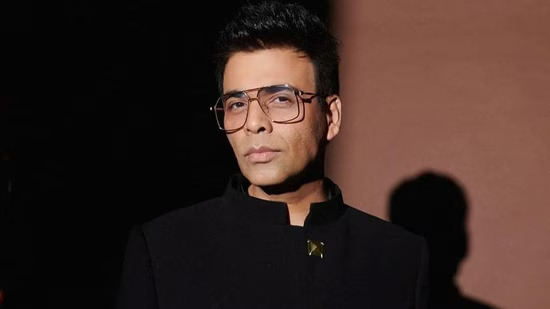
Over the last few years, the mass action genre has once again taken center stage in Indian cinema. Inspired by the massive success of Tamil, Telugu, and Kannada blockbusters, Bollywood has tried to recreate large-scale event films filled with action, scale, and testosterone-driven storytelling. However, not all experiments have worked, and many films have ended up disappointing audiences. According to filmmaker Karan Johar, the issue lies not in the actors or resources but in what he calls a “director crisis” within Bollywood.
The Director Crisis in Bollywood
In a candid conversation with Suchin Mehrotra on The Streaming Show podcast, Karan Johar was asked if Bollywood truly faces a shortage of directors capable of delivering big action blockbusters. Without hesitation, Karan admitted, “It is a director crisis. You can’t think of more than a name or two. There isn’t anyone because that entire generation of filmmakers was nurtured on a completely different kind of Hindi cinema.”
He explained that directors who grew up during the globalization phase of Bollywood were inspired by romantic dramas, family sagas, and glossy stories shot abroad. That era was defined by stars like Shah Rukh Khan, and filmmakers leaned towards emotional storytelling rather than front-footed, testosterone-driven action. As a result, today’s Bollywood filmmakers, according to Johar, lack the training and vision to deliver on the scale of mass entertainers that audiences expect.
“They have never known it. Now, they can’t learn it. So, they emulate it and fall flat on their face,” Karan added, taking a subtle dig at recent failed attempts by Bollywood to replicate the magic of South Indian cinema.
The South Indian Influence
Karan Johar has consistently praised filmmakers from the South who have mastered the art of mounting large-scale action spectacles. From SS Rajamouli, who made global waves with Baahubali and RRR, to Sandeep Reddy Vanga, who redefined intensity with Kabir Singh and Animal, and Prashanth Neel, who gave audiences the KGF franchise, these filmmakers have changed the definition of commercial cinema in India.
Bollywood, on the other hand, often finds itself looking at these industries for inspiration. Johar admitted that while Mumbai filmmakers are constantly calling their southern counterparts to praise their work, it is rare for the exchange to happen the other way around.
“Thank God for Saiyaara”
While acknowledging the limitations of Bollywood directors in creating mass action dramas, Karan Johar pointed to Saiyaara, directed by Mohit Suri, as a refreshing example of Bollywood playing to its strengths. The romantic drama, starring newcomers Ahaan Panday and Aneet Padda, unexpectedly became the highest-grossing love story in Indian cinema, earning over ₹500 crore worldwide.
Johar recalled, “When I met Mohit Suri, he told me that all the filmmakers from the South called him after watching Saiyaara. It was so gratifying to know because usually, we are the ones picking up the phone and telling them how incredible their films are.”
He emphasized that instead of blindly imitating the South, Bollywood should return to what it does best—telling emotional, heartfelt stories. “We do one thing well, so let’s do that. Let’s go back to our storytelling,” he said.
Karan Johar’s Recent Work
While he has produced multiple large-scale films, Karan Johar’s own directorial ventures continue to focus on relationships, drama, and romance. His latest outing, Rocky Aur Rani Kii Prem Kahaani (2023), starring Ranveer Singh and Alia Bhatt, grossed over ₹300 crore worldwide. The film recently bagged a National Film Award, further reinforcing Karan’s point that Bollywood’s strength lies in heartfelt narratives rather than over-the-top action.
The Road Ahead for Bollywood
The mass action trend is not going away anytime soon, with audiences across India showing enthusiasm for high-octane spectacles. However, Johar believes that until a new generation of directors emerges in Bollywood who can genuinely understand and deliver large-scale action, Hindi cinema should embrace its own identity instead of chasing someone else’s success formula.
Bollywood’s storytelling DNA, he insists, is rooted in love stories, family dramas, and relatable emotions. By blending those strengths with innovation, the industry could continue to hold its ground, even as South Indian cinema dominates the action blockbuster space.
Karan Johar’s remarks serve as both a reality check and a reminder for the industry: in order to thrive, Bollywood must strike the right balance between embracing its legacy and evolving with changing audience preferences.