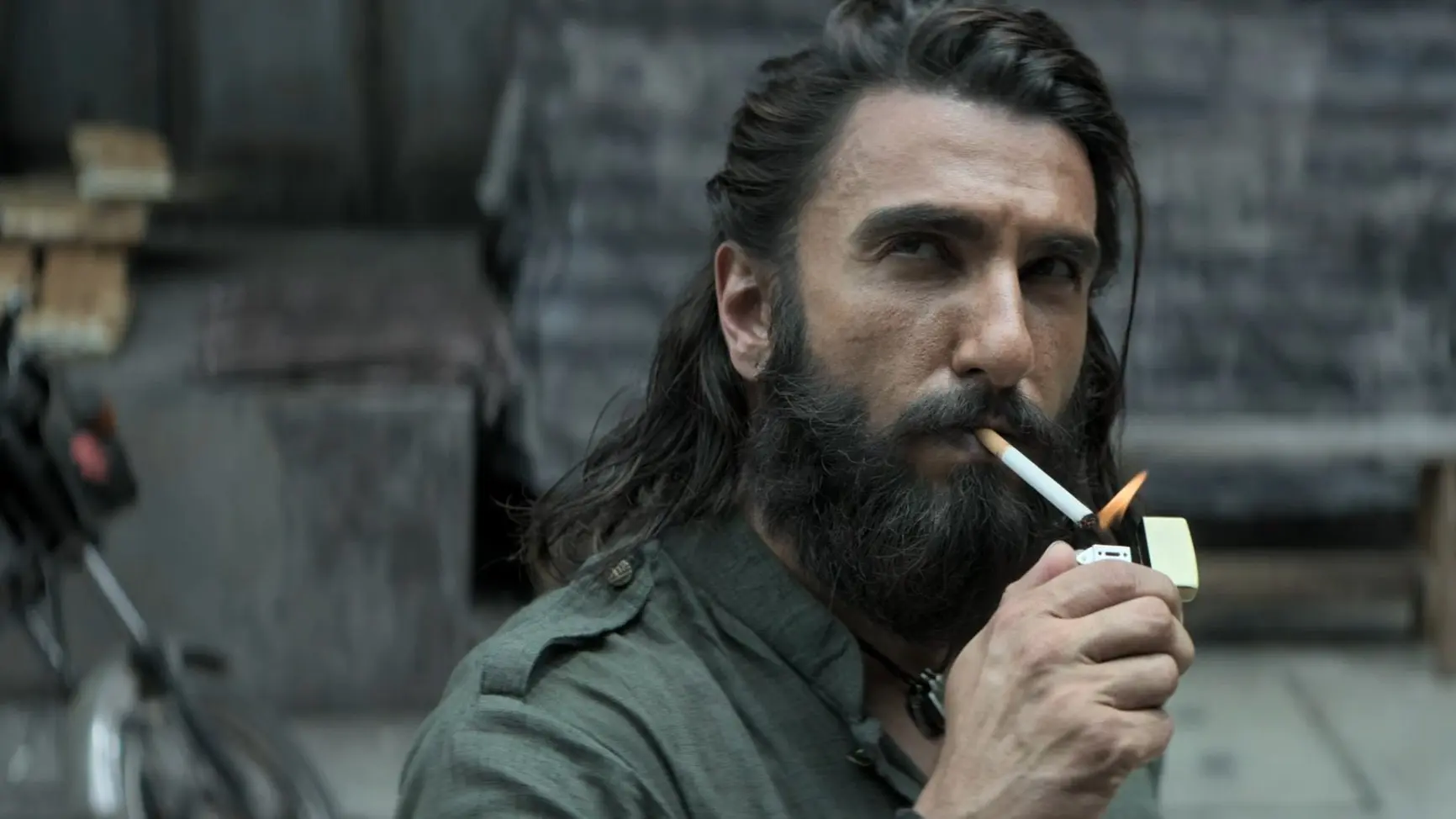

The controversy surrounding the song from KD: The Devil has taken a sharper turn, with Nora Fatehi shifting the conversation from backlash to the issue of artist consent. Responding to criticism over the song “Sarke Chunar Teri Sarke,” Fatehi clarified that the visuals being circulated were shot nearly three years ago and that she was …
Nora Fatehi Distances Herself from ‘KD: The Devil’ Song Row, Raises Consent Concerns

The controversy surrounding the song from KD: The Devil has taken a sharper turn, with Nora Fatehi shifting the conversation from backlash to the issue of artist consent.
Responding to criticism over the song “Sarke Chunar Teri Sarke,” Fatehi clarified that the visuals being circulated were shot nearly three years ago and that she was not involved in the recent version released to the public. She stated that her approval was not taken before the footage was used, distancing herself from the final product.
The actor also addressed the criticism around the song’s lyrics and presentation, explaining that she was unaware of the exact wording during filming, as the original version was in Kannada. This highlights a larger issue in multilingual productions, where performers may not always have full clarity over translated or adapted content.
The backlash itself has been intense, with audiences and public bodies raising concerns over allegedly vulgar lyrics and visuals. The situation escalated to the point where authorities intervened, and the song was reportedly removed from platforms following complaints and official scrutiny.
What makes this episode significant is how it shifts accountability. Rather than being limited to criticism of performance or choreography, the debate now extends to who controls the final output in film projects—especially when older footage is repurposed or modified without direct involvement from the कलाकार.
By speaking out, Fatehi has not only defended her position but also highlighted a recurring issue in the entertainment industry: the gap between performance, production decisions, and final presentation. As the film gears up for release, the controversy has evolved into a broader conversation about transparency, consent, and responsibility in cinema.