
Veteran actor Shabana Azmi is gearing up for Indian audiences to stream the British family drama Next of Kin, now headed to OTT platforms like Lionsgate Play soon. The series explores the emotional fallout within a close-knit family after tragedy strikes, and Azmi’s portrayal of Mrs. Shirani offers a nuanced counter-point to familiar cultural stereotypes. …
Shabana Azmi on Breaking the ‘Asian Mother’ Stereotype in Next of Kin
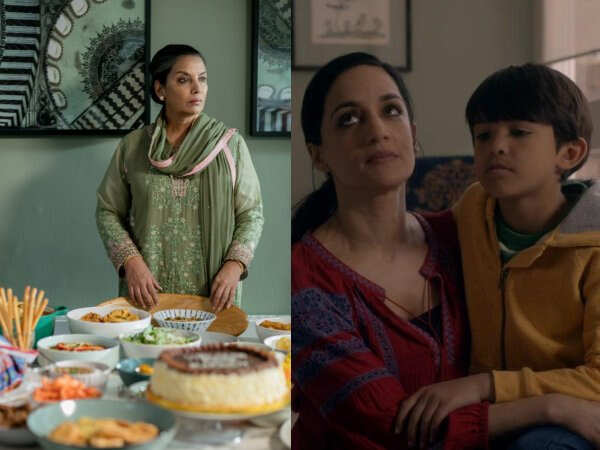
Veteran actor Shabana Azmi is gearing up for Indian audiences to stream the British family drama Next of Kin, now headed to OTT platforms like Lionsgate Play soon. The series explores the emotional fallout within a close-knit family after tragedy strikes, and Azmi’s portrayal of Mrs. Shirani offers a nuanced counter-point to familiar cultural stereotypes.
In a recent interview, Azmi described her character as more layered than a typical “Asian mother.” At first glance, Mrs. Shirani might appear to fit the familiar figure — concerned, sharp-tongued, full of family opinions — but the series gradually reveals her agency, wit and central emotional power within the family’s dynamics. Rather than being a passive or one-dimensional figure, she becomes the glue that holds the family together through crisis.
The show’s premise revolves around Mona Shirani (played by Archie Panjabi) and her struggle to defend her nephew’s innocence amid accusations that shake the family’s stability. Their relationships are tested by grief, suspicion and loyalty, and Mrs. Shirani’s presence offers both comfort and complexity as the narrative unfolds.
Azmi pointed out that her opening scene — where Mrs. Shirani is found sitting on an elevator floor — offers a striking visual cue: the character is human, grounded and sometimes humorous, not simply an archetype to be ticked off a checklist. Through moments like these, the series attempts to subvert automatic assumptions about cultural roles while still honouring authentic emotional experiences.
By bringing this rich character to an international drama, Azmi offers a broader conversation about how South Asian identities — especially those of older women — can be portrayed with depth, humour and dignity on screen.